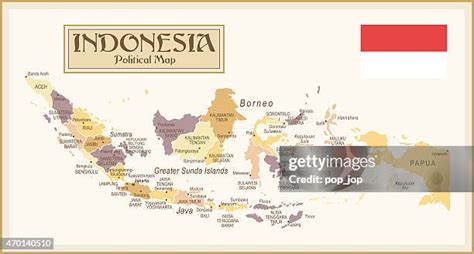
Navigating Indonesia’s Territorial Disputes: A Deep Dive Guys, have you ever stopped to think about how complicated borders can be, especially for a country like Indonesia? With its vast archipelago stretching across thousands of islands,
Indonesia’s territorial disputes
are not just abstract lines on a map; they are incredibly real, affecting everything from national security to resource management and even the livelihoods of local communities. These disputes, both maritime and land-based, are a constant test of Indonesia’s diplomatic prowess, its legal frameworks, and its commitment to regional stability. They involve complex historical claims, overlapping Exclusive Economic Zones (EEZs), and the delicate balance of international law, particularly the United Nations Convention on the Law of the Sea (UNCLOS). Understanding these challenges is crucial for anyone keen on grasping the geopolitical landscape of Southeast Asia. This isn’t just about drawing lines; it’s about asserting sovereignty, protecting natural resources like oil, gas, and fisheries, and ensuring the safety of its citizens. The nation’s strategic location, straddling major shipping lanes and rich natural reserves, naturally makes it a focal point for competing interests from various neighboring countries and even distant powers. We’re talking about disputes with Malaysia, Timor-Leste, Papua New Guinea, and even indirect interactions with China’s expansive claims in the South China Sea. Each dispute comes with its own unique set of challenges, demanding a tailored approach that often combines robust diplomacy with a strong defense posture. For us, the readers, it’s a fascinating, albeit sometimes tense, look into how a major regional player navigates a world where historical claims and modern international law often collide. So, buckle up as we delve into the nitty-gritty of these fascinating and
vitally important
territorial challenges that Indonesia faces. We’ll explore the main areas of contention, the strategies Indonesia employs, and why these disputes are so incredibly significant for the future of the nation and the wider region. It’s a complex tapestry, but one well worth unraveling together. Rest assured, Indonesia is actively engaged in trying to resolve these issues peacefully, but the path is often long and fraught with intricate legal and political hurdles that demand careful, strategic navigation. These aren’t just squabbles; they’re
fundamental assertions of national identity and sovereignty
. # Understanding Indonesia’s Complex Territorial Disputes When we talk about
Indonesia’s complex territorial disputes
, we’re really diving into a deep pool of geopolitical challenges stemming from its unique geography as the world’s largest archipelagic state. Guys, imagine trying to define borders across over 17,000 islands, stretching across three time zones, and sharing maritime or land boundaries with ten different countries! It’s a logistical and diplomatic headache, to say the least. These
disputes are not minor skirmishes
; they often involve vital economic interests, significant natural resources, and, most importantly, the assertion of national sovereignty. The sheer scale and diversity of these challenges mean Indonesia must constantly engage in proactive diplomacy, legal negotiations, and, at times, a robust display of its maritime and land defense capabilities to safeguard its interests. For instance, the definition of Indonesia’s archipelagic waters, internal waters, territorial sea, contiguous zone, Exclusive Economic Zone (EEZ), and continental shelf, all under the framework of UNCLOS, provides a complex legal backdrop against which many of these
territorial disagreements
play out. Often, neighboring countries have their own interpretations or overlapping claims based on different historical maps, colonial legacies, or geological surveys. This creates a fascinating yet challenging chessboard where every move has significant implications. Moreover, the strategic importance of Indonesia’s waters – sitting astride major global shipping lanes like the Malacca Strait – adds another layer of complexity, drawing in the interests of global powers and heightening the stakes involved in any
territorial dispute
. The rich marine biodiversity and vast potential for oil and gas exploration in disputed areas further fuel these contentions. Indonesia’s approach has generally been one of peaceful resolution, adhering strictly to international law and bilateral negotiations, but it also maintains a strong stance against any infringement on its recognized sovereignty. The government understands that how it handles these issues can profoundly impact its regional standing and its long-term economic prosperity. It’s a constant balancing act between asserting firm control and fostering cooperative relationships with its neighbors, ensuring that these
critical territorial issues
don’t escalate into wider regional instability. The historical context, from colonial demarcations that often paid little attention to local communities or indigenous claims, to post-independence aspirations, further complicates the picture, leaving a legacy of unresolved boundaries that still challenge policymakers today. It truly underscores why
Indonesia’s territorial disputes
are so multifaceted and require such a nuanced, long-term approach to resolution. # Key Maritime Disputes Shaping Indonesia’s Borders Now, let’s talk about the big blue, guys!
Key maritime disputes are really shaping Indonesia’s borders
in profound ways. As an archipelagic nation,
maritime sovereignty and resource control
are absolutely paramount. These disputes primarily revolve around overlapping claims to Exclusive Economic Zones (EEZs) and continental shelves, often driven by the presence of valuable natural resources like hydrocarbons and rich fishing grounds. The legal framework of UNCLOS is usually the battleground, but interpretations can vary wildly, leading to persistent tensions. Indonesia’s efforts here are not just about defending lines on a map; they are about securing its future economic prosperity and ensuring the long-term sustainability of its marine resources. Without clear and undisputed maritime boundaries, everything from oil exploration to fishing rights becomes a contentious issue, potentially impacting millions of lives. The sheer volume of maritime traffic through Indonesian waters also elevates the importance of clear jurisdiction for security and safety. It’s a complex dance between asserting national rights and maintaining good relations with immediate neighbors and wider regional powers. Indonesia often finds itself at the crossroads of major international interests due to its strategic location. These
maritime disputes
require a combination of diplomatic finesse, legal expertise, and, at times, a strong naval presence to deter illegal activities and assert control. The nation has invested significantly in strengthening its maritime security forces to patrol its vast waters and deter illegal fishing, which is a major economic drain. It’s a constant, dynamic challenge that illustrates the very real implications of international maritime law and geopolitical competition for resources. Indonesia’s identity is inextricably linked to its seas, making the resolution of these
maritime disputes
an absolute priority for its continued development and regional leadership. ## The Natuna Islands and the South China Sea Conundrum Guys, when we talk about
the Natuna Islands and the South China Sea conundrum
, we’re hitting on one of Indonesia’s most high-stakes
maritime disputes
. While Indonesia is not a claimant state in the traditional sense of the broader South China Sea territorial disputes, its
Exclusive Economic Zone (EEZ) around the Natuna Islands
significantly overlaps with China’s unilaterally declared
